From Storage to Profit: Leveraging Free Trade Zones for Warehousing
Within the current globalized economy, businesses are constantly seeking innovative ways to improve their competitiveness and optimize processes. A notable opportunity exists in FTWZ. These distinctly defined areas provide a unique blend of logistical benefits and compliance benefits that can significantly influence how companies handle their logistical frameworks, reduce operational costs, and grow their customer base. Learning to effectively utilize FTWZ can transform how companies approach both incoming and outgoing activities, ultimately converting storage into profit.
Free Trade Warehousing Zones serve as a crucial link between producers, suppliers, and consumers by providing tax advantages, simplified import/export processes, and enhanced infrastructure. In our exploration of the numerous benefits of establishing a presence in these zones, we will also examine key features that set apart FTWZ from other economic zones, such as SEZ. Whether you are a experienced importer or an emerging e-commerce business, this comprehensive guide will provide insights into the strategic advantages of establishing operations in a FTWZ, paving the way for improved international trade and profitability.
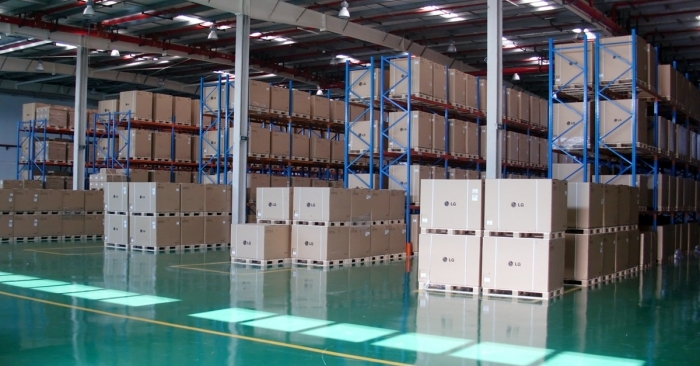
Benefits of Free Trade Warehousing Zones
FTWZs offer numerous advantages that can significantly enhance operational efficiency for businesses. One of the key benefits is the cost savings associated with lowered tariffs and taxes. Companies can import goods into these zones without paying customs duties until the products are moved out of the zone, allowing businesses to manage their cash flow better. This financial flexibility is particularly beneficial for companies engaged in import and export that need to adapt quickly to customer needs.
Another key benefit is the enhanced logistics and supply chain effectiveness provided by Free Trade Warehousing Zones. These zones are strategically located near key transportation hubs, which allows for streamlined distribution processes. https://rivera-kofod.hubstack.net/the-edge-free-trade-warehousing-and-the-businesss-business can consolidate shipments, shorten transit times, and have greater control over their inventory. This leads to improved service levels and the ability to meet customer demands more effectively, ultimately enhancing business competitiveness on the international stage.
Additionally, Free Trade Warehousing Zones facilitate increased access to international markets. By operating within these zones, businesses can easily reach new customers across borders without facing the same regulatory hurdles found beyond these areas. This increased market accessibility is vital for online retailers that rely on streamlined logistics to serve a varied customer base. As a result, companies can broaden their outreach and enhance their growth potential, capitalizing on international trade opportunities.
Benefits and Compliance
Warehousing Zones for Free Trade offer significant tax advantages that can enhance the financial success of businesses operating within them. Companies can often benefit from no customs duties and import taxes on goods stored in the warehouse, provided they are not disposed of inside the country of business. This arrangement allows businesses to defer taxation obligations until such time as the goods are sold, thus improving cash flow and investment opportunities. Additionally, numerous jurisdictions provide lowered corporate tax rates or even tax exemptions to attract foreign direct investment into these zones.
Adherence within a Free Trade Warehousing Zone is essential for maintaining these tax benefits. Businesses must adhere to local regulations and customs procedures, which often include rigorous reporting and monitoring requirements. Failure to comply can lead to penalties or the loss of tax benefits. As a result, it is crucial for companies to establish robust compliance systems and keep updated on the legal framework governing free trade zone s. This carefulness not only safeguards businesses but also enhances their standing among international trade partners.
Moreover, the regulatory landscape in Free Trade Warehousing Zones can provide businesses with a predictable operating environment, which is crucial for long-term planning. By leveraging the defined rules and frameworks set for these zones, companies can navigate international trade more efficiently while benefiting from reduce operational costs. Proper knowledge of these compliance requirements will enable entities to capitalize on the competitive advantages afforded by free trade warehousing, strengthening their position in the global market.
Supply Chain Solutions and Operational Efficiency
Free Trade Warehousing Zones (FTWZ) are designed to simplify supply chain logistics and enhance business efficiency for organizations engaged in international trade. By providing a centralized location for the storage and processing of goods, FTWZ minimize shipping times and operational costs. This proximity to key transportation hubs allows firms to oversee their supply networks more effectively, ensuring timely delivery of products to global markets.
Within these spaces, businesses benefit from advanced warehousing systems that facilitates automation and efficient inventory management. With state-of-the-art facilities equipped to handle different inventory kinds, companies can enhance their inventory methods and minimize wastage. Additionally, the capability to perform enhanced services, such as packing, marking, and manufacturing, within the FTWZ helps firms adjust quickly to evolving market demands while keeping control over their workflows.
Moreover, FTWZ enhance adherence to regulations and regulatory efficiency, as these zones often have streamlined customs operations and reduced paperwork burdens. This ease of compliance not only reduces delays but also fosters a quicker flow of merchandise across frontiers. By leveraging these benefits, organizations in FTWZ can cut operational costs and enhance their competitive edge in the global market.