Storage Reinvented: The Significance of Open Trade in Modern Shipping
In today's rapidly evolving worldwide financial landscape, the idea of storage has experienced a notable change, primarily motivated by the forces of free trade. Free Trade Warehousing Zones have arisen as an creative answer for companies seeking simplify supply chain, reduce expenses, and boost their functional efficiency. These zones not only provide companies a strategic benefit in terms of location and reach but also provide multiple monetary advantages that can drive a business to new heights.
As companies more and more look to grow their presence in global trade, understanding the details of Open Trade Warehousing Zones becomes vital. From free trade zone and compliance regulations to logistics strategies customized for import and outgoing ventures, these zones represent a pivotal element of contemporary logistics. This article serves as a comprehensive guide, exploring the main features, benefits, and future for FT Warehousing Zones in reshaping the field of international commerce.
ftwz sfree-trade-zones-for-warehousing”>Comprehending Free Trade Zones for Warehousing
FTWZs, commonly referred to as free trade warehousing zones, constitute specific zones where enable the import, storage, and export of merchandise excluding the cost of tariffs and tariffs at the entry point. Such zones are designed to facilitate global trade by granting businesses the flexibility to manage their stock proficiently and efficiently. This novel approach to storage allows companies to postpone taxes until products are actually brought in into the national market or exported to foreign nations.
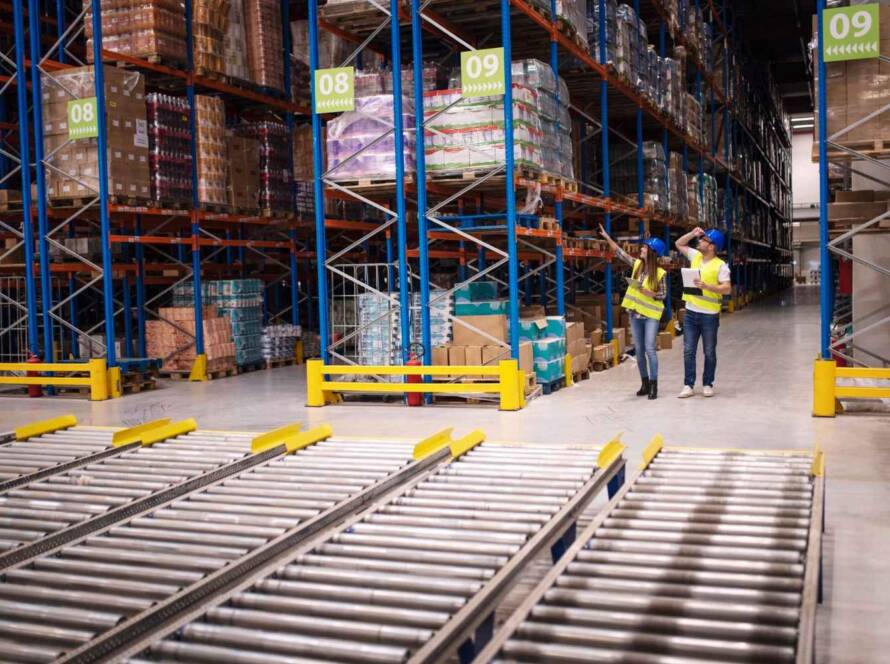
One of the main advantages of FTWZs is the logistical capability they supply. Businesses can hold goods, manufacture goods, and manage logistics without substantial regulatory burdens. This simplified process promotes more rapid decisions and enhances the total efficiency of supply chain operations. As organizations increasingly seek to optimize their supply chain strategies, FTWZs have emerged as ideal solutions that address the evolving needs of worldwide commerce.
Additionally, FTWZs function as a center for capital and economic growth. Through the attraction of both regional and foreign companies, these spaces create avenues for job creation and creativity. The facilities developed inside FTWZs often features cutting-edge distribution centers and high-tech solutions, positioning them attractive destinations for e-commerce businesses looking to to optimize their supply chains while growing their global reach.
Benefits and Possibilities
No-Cost Trade Storage Zones (FTWZ) offer countless perks that can substantially boost operational efficiency for businesses. One of the primary benefits is the decrease in tariffs and taxes. Goods can be housed, processed, and re-exported without incurring customs duties until they hit the domestic market, allowing firms to maximize their cash flow and refine their pricing plans. This financial flexibility is especially advantageous for import and export businesses aiming to minimize operational costs while increasing profit margins.
Furthermore, FTWZs function as strategic hubs for international trade, allowing businesses to enter global markets with ease. The streamlined customs processes and regulatory framework in these zones permit quicker processing times for freight and logistics. This speed is crucial in today’s fast-paced e-commerce landscape, where on-time delivery can be a critical factor in customer contentment. By choosing to set up operations in an FTWZ, e-commerce businesses can utilize enhanced logistical systems, guaranteeing they can meet consumer demand swiftly and efficiently.
Funding options within FTWZs extend past mere tax advantages. With a rising emphasis on global trade, investors are increasingly attracted to these zones as they offer access to emerging markets and a varied consumer base. Additionally, many FTWZs provide infrastructure assistance, such as high-tech warehousing capabilities and transportation networks, which can make them appealing locations for businesses looking to improve supply chain efficiency. The potential for collaborative partnerships and innovation within these zones further amplifies the benefits, making FTWZs a desirable choice for progressive companies.
Operational Considerations
As setting up a business inside a FTWZ, operational aspects take a critical function in maximizing efficiency and guaranteeing adherence. Businesses need to get familiar with the particular customs procedures unique to these areas. Comprehending the efficient import-export procedures can considerably lower wait times and expenses associated with international logistics. Furthermore, keeping abreast of laws is vital to avoid prospective penalties or business setbacks, making compliance a high concern for leadership.
The selection of site inside a Free Trade Zone for Warehousing can greatly influence logistics and supply chain efficacy. Closeness to key transportation hubs, such as ports and air terminals, can enhance distribution functions and promote faster access to international markets. Companies ought to also evaluate the infrastructure available within the zone, including warehouse options, technology resources, and logistics solutions, to make sure that operational requirements correspond with existing capabilities.
In conclusion, businesses should consider the long-term operational viability of their configuration in a Free Trade Warehousing Zone. This encompasses implementing effective inventory management techniques and employing technology for data analytics to optimize inventory management. Investment in staff development on the specific operational guidelines of the area can foster a capable workforce able of navigating the challenges of overseas trade, thus boosting overall business performance.